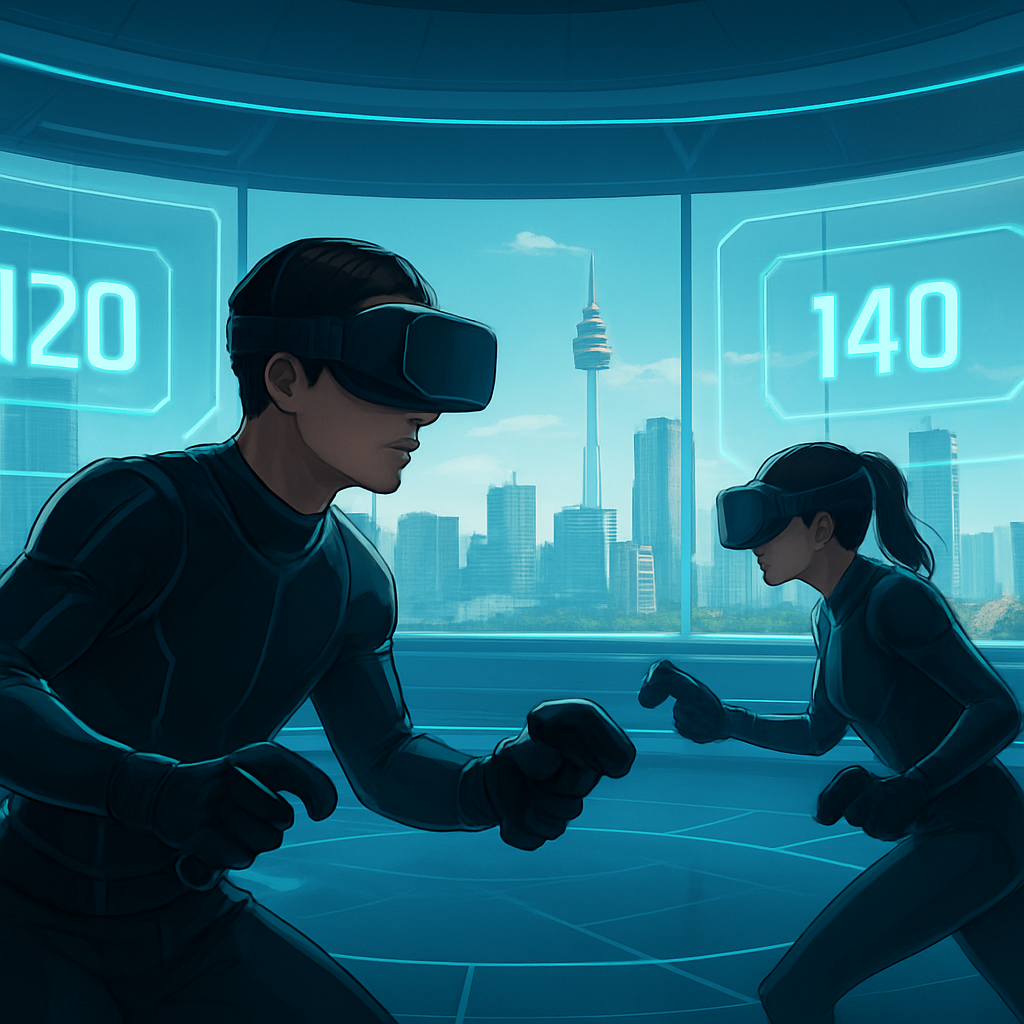
Australia's journey in virtual reality gaming is a story of academic curiosity evolving into national competitive identity. Understanding that history illuminates why the Australian scene operates the way it does today.
The Research Roots (1990s)
Australia's first serious VR installations emerged from university laboratories in the early 1990s, primarily in Sydney and Melbourne. These environments were far removed from gaming — researchers were exploring VR for surgical simulation, architectural visualisation, and phobia treatment. But the technology attracted students with gaming backgrounds who began experimenting with interactive applications during off-hours.
By the late 1990s, several universities had informal VR gaming clubs operating after hours in research labs, representing the earliest organised community in the country.
The Arcade Era (2000s)
A wave of commercial VR arcade installations across Australian capital cities during the early 2000s brought the technology to a mainstream audience for the first time. These setups were expensive per session but introduced tens of thousands of Australians to immersive gaming. Many of today's senior VR community figures cite these arcades as their gateway experience.
Consumer Adoption (2012 to 2016)
The arrival of affordable consumer headsets transformed the scene. Within two years, the cost of entry had fallen by more than 80 per cent, enabling home practice and the formation of community clubs across suburban areas. By 2016, four formal clubs had registered with state sporting bodies, a figure that would multiply fifty-fold over the following decade.
Competitive Organisation (2017 to Present)
The formation of a national governing body in 2017 marked the beginning of structured competitive play. Standardised rules, sanctioned events, and a national ranking system followed quickly. The inaugural national championships in 2019 drew competitors from every state and territory, attracting media coverage that significantly elevated public awareness.
Since 2020, Australian players have competed at international events and represented the country with distinction. The infrastructure built during this period — including referee training programmes, equipment certification standards, and junior development pathways — positions Australia as a long-term leader in the global VR gaming ecosystem.